
Complete 2025 Guide to Student Loan Forgiveness, Eligibility, and Federal Student Aid Rules
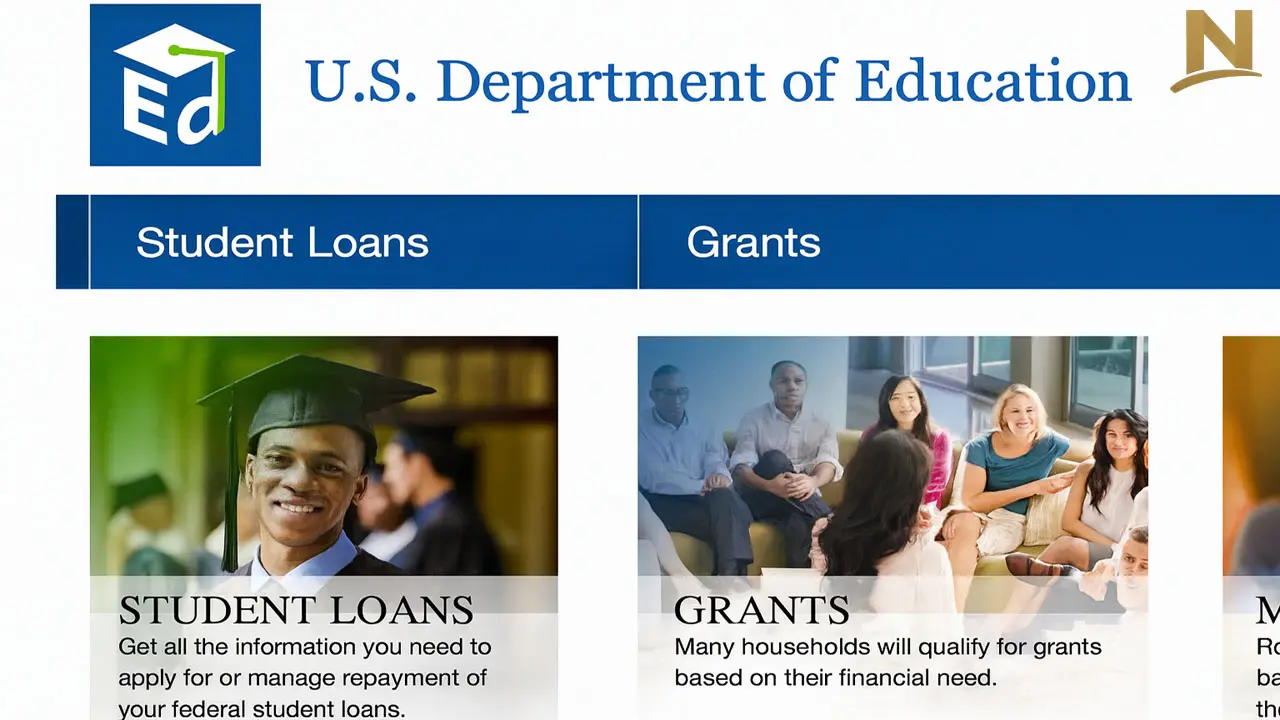
The Trump administration shares plan to dismantle more of the Department of Education, marking one of the most aggressive federal restructuring efforts in modern U.S. education policy. Borrowers seeking Student Loan Forgiveness 2025 have several options through Education department student loans programs, including Public Service Loan Forgiveness (PSLF) and income-driven repayment plans.
The administration’s newly announced steps would shift major responsibilities from the Department of Education to agencies like the Department of Labor—moves that officials say will “streamline” oversight, but critics warn could weaken federal protections designed to ensure equal access to education.
A Long-Standing Promise to Shrink the Department
Since returning to the White House, President Donald Trump has repeatedly pledged to reduce the federal role in education and “return power to the states.” Earlier this year, he signed an executive order seeking to close the department entirely—though dismantling the agency requires an act of Congress.
The latest actions outline how the administration plans to break apart significant parts of the Department of Education even without congressional approval.
Read This: Ali Larter Defends Taylor Sheridan and Finds Peace Beyond Hollywood Life
Major Offices to Be Shifted to Other Federal Agencies
According to the new outline, the Education Department will move several of its key offices to other federal agencies. This includes a plan to hand off much of the administration of K–12 and higher-education grants to the U.S. Department of Labor.
Officials described the move as a way to simplify federal oversight and create a more seamless connection between education and the workforce.
Labor and Education Departments Announce New Partnerships
In a joint announcement, the Departments of Labor and Education revealed a series of interagency agreements aimed at breaking up federal education functions and reducing bureaucratic layers.
Secretary of Labor Lori Chavez-DeRemer said the updated structure would ensure federal programs prepare students “for today and tomorrow’s workforce demands.” She emphasized that aligning education grants with labor programs will help communities better support students from varied backgrounds.
Secretary of Education Linda McMahon called the overhaul “bold action,” arguing that breaking apart the federal education bureaucracy will empower parents, give states more authority, and re-center the system on student outcomes.
Elementary and Secondary Education Partnership
Under the new Elementary and Secondary Education Partnership:
The Department of Labor will manage many federal K–12 program functions.
Labor will run competitions, provide technical assistance, and integrate K–12 initiatives with existing employment and training programs.
The Department of Education will retain oversight but shift day-to-day responsibilities to the Labor Department.
Officials argue this alignment will help students transition from school to college to workforce more efficiently.
Postsecondary Partnership for Workforce Development
The Postsecondary Education Partnership further expands Labor’s authority over federal programs:
- Labor will administer most postsecondary grants under the Higher Education Act.
- Programs will be redesigned to address America’s 700,000-job skilled labor shortage.
- Grants will support innovative learning, workforce advancement, and career training.
- The Education Department will oversee but not directly manage the programs.
The administration claims this restructuring will help modernize job training and ensure colleges better prepare students for economic needs.
A Step Toward Dismantling the Department of Education
Supporters of the shift say the Trump administration shares plan to dismantle more of the Department of Education because the agency has grown “ineffective” and “bloated.” Conservatives have long argued that education decisions belong to states and local communities—not Washington.
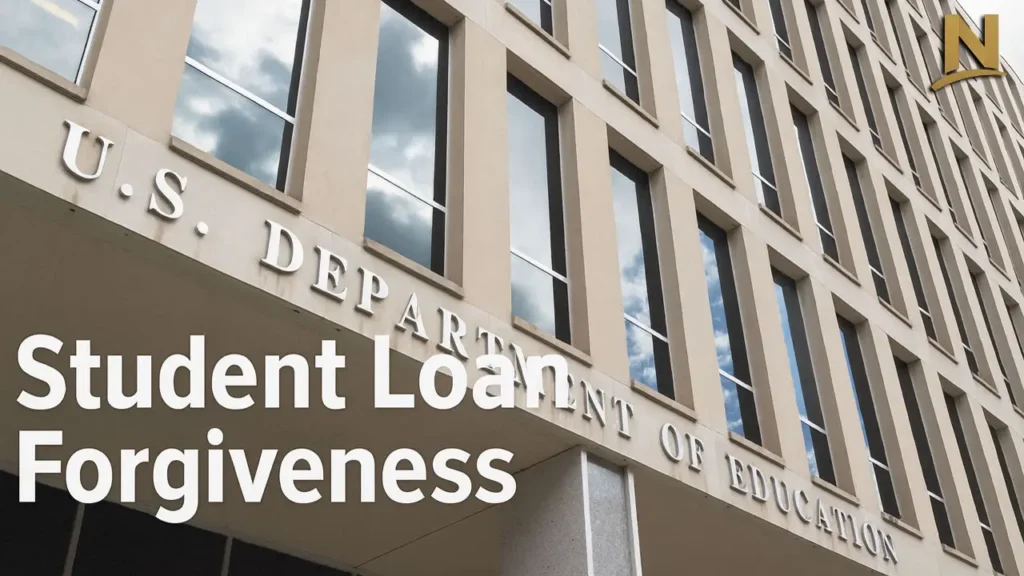
Opponents, however, argue that stripping powers from the Department of Education risks undermining federal protections for vulnerable students, including low-income families, students with disabilities, and minority communities. They warn that decentralizing oversight could deepen educational inequality.
What Comes Next?
The administration is continuing its 50-state tour to gather “best practices” and collect input from local education leaders. Officials say they will also work with Congress to codify permanent reforms.
For now, these interagency partnerships represent one of the largest structural changes in federal education governance since the Department of Education was founded in 1979.
As the Trump administration shares plan to dismantle more of the Department of Education, the debate over federal vs. state control in education is set to intensify—shaping not only policy but the future of students, families, and schools nationwide.
A. You generally do not qualify for federal student loan forgiveness if:
You have private student loans — only federal loans are eligible.
* Your loans are in default and you have not rehabilitated or consolidated them.
* You did not meet employment requirements for programs like PSLF (e.g., you left public service or worked for an ineligible employer).
* You are on a non-qualifying repayment plan, such as the Extended or Graduated plan (unless corrected by the IDR Account Adjustment).
* You attended a school but do not meet the criteria for Borrower Defense or Closed School discharge.
* You never enrolled in an Income-Driven Repayment (IDR) plan when required for IDR-based forgiveness.
Most disqualifications happen due to wrong loan type, wrong repayment plan, or ineligible employment.
A. Yes.
Parents earning $120,000 per year can still qualify for FAFSA because FAFSA does not have an income cutoff.
However:
– You may receive less or no need-based aid (like Pell Grants).
– You can still qualify for federal student loans, which are available regardless of parent income.
– Many families at $120K still receive some aid, depending on:
* number of children in college
* assets
* cost of attendance
* state and school policies*
In short: FAFSA is always worth submitting, no matter your income.
A. You may be eligible for forgiveness if any of the following apply:
You’re in Public Service Loan Forgiveness (PSLF)
* You work for a government or nonprofit employer
* You have made or are making 120 qualifying payments
* Your loan servicer (usually MOHELA) tracks your progress
* You can confirm your PSLF status on studentaid.gov.
A. *Go to studentaid.gov
* Check “My Aid”
* Look for your:
– loan type
– payment count
– repayment plan
– forgiveness progress
If you see PSLF, IDR payment count, or discharge in review, you may be on track for forgiveness.